


AI Adoption Is a Team Sport: Why Frontline Buy-In Matters in Primary Care
Artificial intelligence in healthcare is often described in terms of its capabilities: streamlining documentation, quickly surfacing insights, and optimizing workflows. However, successful implementation requires treating AI as a change initiative, not a plug-and-play solution. That means engaging frontline staff early to help shape how tools are used, providing clear communication about what the technology can and cannot do, and offering practical training and ongoing support. Leadership matters here as well: when AI is framed as a supportive teammate rather than a replacement, it fosters curiosity and reduces anxiety about workload, liability, or job security.
Just as important as change management is evaluation. New tools must be tested in the real world of care delivery, not only in controlled pilots or vendor demonstrations. Teams need answers to questions like: does this reduce burden or simply shift it elsewhere? Is it reliable and safe to use day-to-day? How does it affect communication within the care team? Building feedback loops ensures that tools are refined in response to these realities, rather than forcing clinicians to adapt to rigid systems.
This also means investing beyond the technology itself. The real work lies in resourcing the processes that make adoption possible: training, workflow redesign, evaluation, and ongoing engagement. When these supports are in place, promising AI tools can move from theory into daily practice in ways that genuinely help care teams and patients.
AI has the potential to free up more time for relationship-based care, but only if adoption is deliberate, well-managed, and continuously evaluated. Ultimately, success is not about the technology alone. It’s about people, process, and partnership working together to make it work.
Learn about some of the evaluations for AI scribes we’ve supported here!
Get the latest resources and insights
-
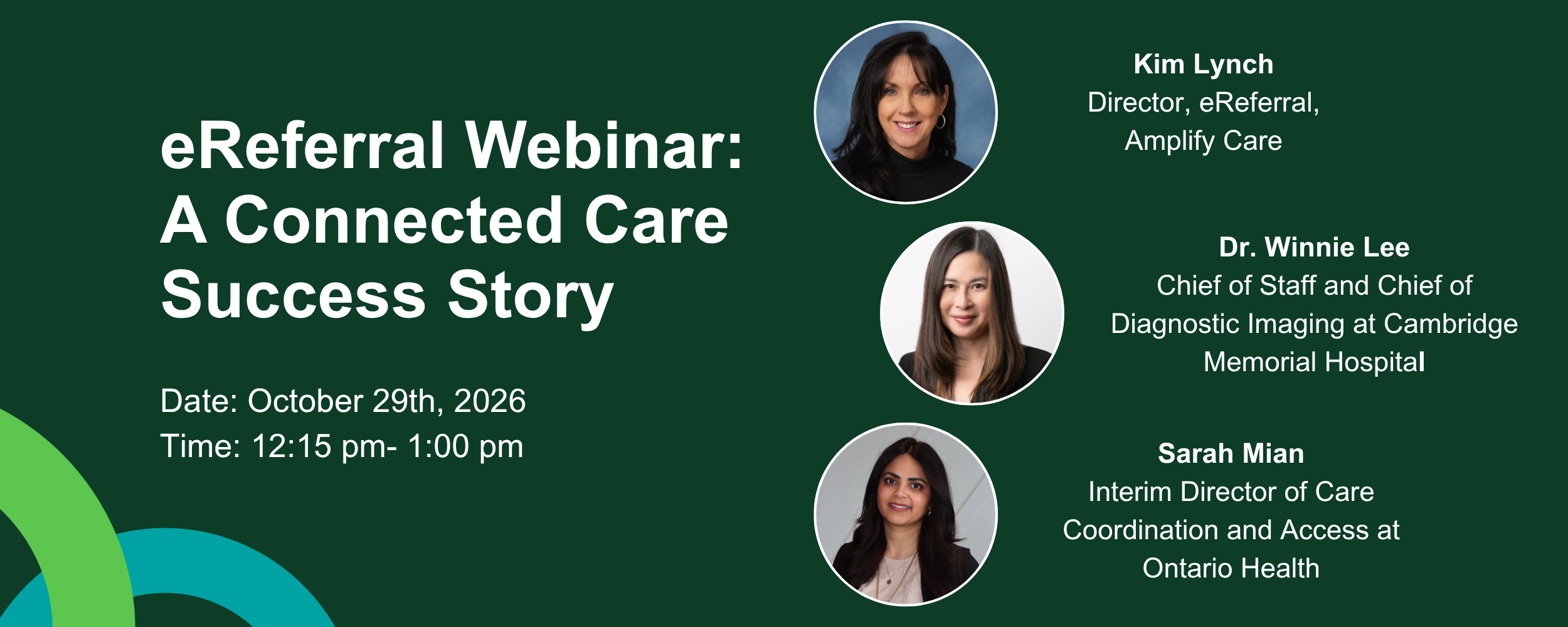
Upcoming Webinar on How eReferral is Building a More Connected Healthcare System
oin us for an upcoming webinar, eReferral: A Connected Care Success Story, to explore how…
-

One Click Can Make a Difference: Building Better Cybersecurity Habits
At Amplify Care, cybersecurity isn’t something we simply talk about. As leads for Shield, our…
-
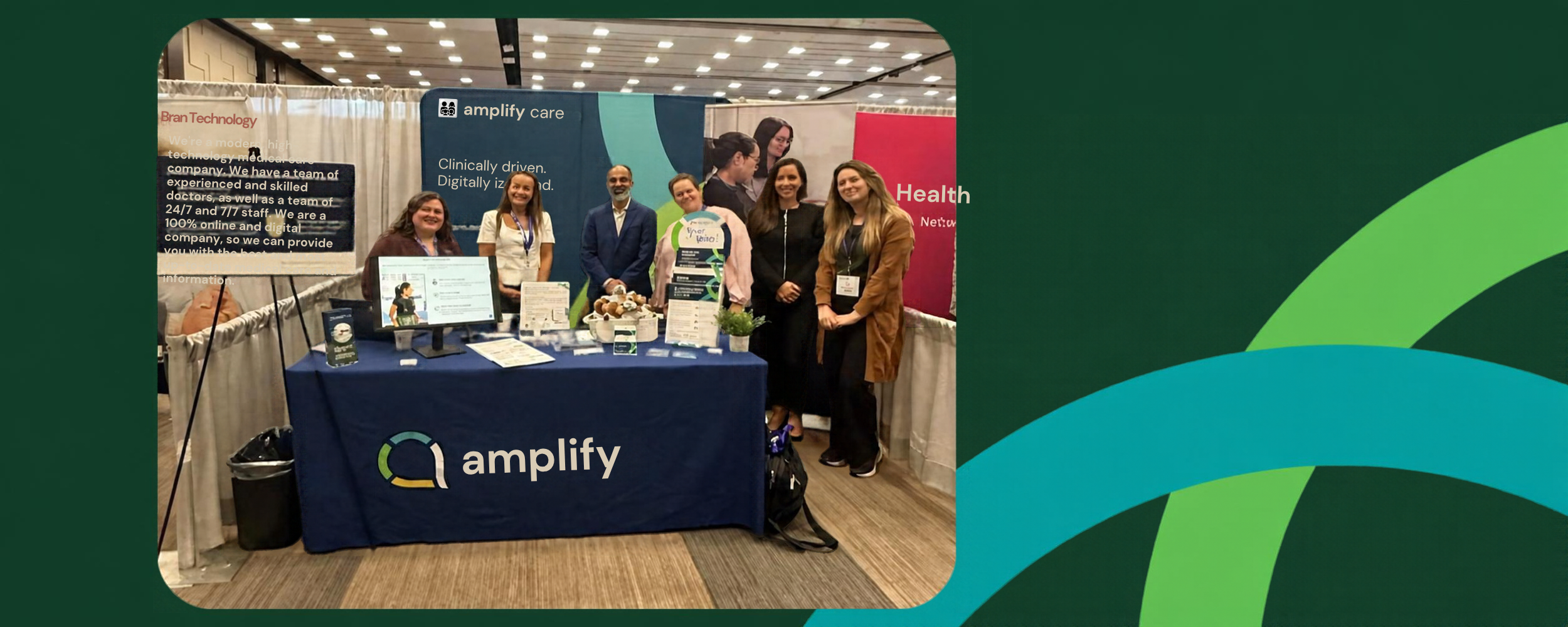
Entering the AI Era: Lessons from the 2026 OMD Educates Event
Our big takeaway from OMD Educates 2026: As AI becomes more integrated into healthcare, some…
-
Fall 2026 Edition of the West Deployment Team Newsletter
Welcome to the Winter 2026 Edition of the West Deployment Team Newsletter for health professionals in the West Region! Our West Deployment…